Sharpen Your Focus with Sensory Ergonomics
Today we explore Sensory Ergonomics: Lighting, Sound, and Texture for Everyday Concentration, translating research-backed insights into friendly, practical moves for your desk, studio, or kitchen table. Expect simple adjustments, persuasive stories, and measurable wins that help attention feel lighter, calmer, and wonderfully sustainable.
Light That Guides, Not Glares
Good lighting supports thinking by balancing brightness, direction, and color across your day. Aim for generous, diffused illumination where your eyes work hardest, with targeted task light that avoids harsh reflections. Cooler whites can energize midday; warmer tones settle evenings. Small shifts in angle, shade, and distance dramatically change comfort, preventing squinting, headaches, or restless scanning. Thoughtful placement lets you read details clearly while keeping your surroundings soft, legible, and quietly reassuring.
Soundscapes That Support Deep Work
Attention loves consistency more than total silence. Reduce unpredictable bursts, tame echoes, and let a steady acoustic bed carry you. Soft furnishings, book-filled shelves, and rugs calm reverberation so voices feel distant and less sticky. Many people focus well around quiet library levels, while a gentle layer of pink or brown noise can mask interruptions. Choose approaches that match your tasks: drafting may welcome hush, while routine admin can ride comfortably on soothing, non-lyrical textures.

Grounded Desktops and Honest Materials
Choose a desk surface that reads quiet: low-gloss wood grain, powder-coated steel, or dense linoleum offer gentle traction without sticky drag. Avoid mirror-like laminates that scatter reflections and fingerprint distractions. A simple desk pad anchors tools while softening elbows. Keep edges slightly rounded to prevent pressure points that pull attention. One tactile anchor, like a smooth stone or cork coaster, offers a tiny reset when your thoughts drift, reminding your body it is safe, supported, and steady.
Seating, Fabrics, and Micro-Comfort
Seat fabrics should breathe and wick, preventing hot spots that start a fidget spiral. Combine adjustable lumbar support with a cushion that distributes pressure instead of merely softening it. A light throw on chilly days stabilizes temperature, and a footrest grounds legs without cutting circulation. If armrests squeak or stick, a fabric sleeve or felt tape quiets motion. The goal is invisible comfort: your body says nothing because everything feels expected, consistent, and kind during long attention stretches.
Sensory Breaks, Rhythms, and Recovery
Sustainable focus alternates effort with short, purposeful resets. Microbreaks protect vision, hearing, and posture without stealing momentum. A minute of distance-gaze or shoulder rolls returns clarity faster than grinding through fog. Sync lighting, sound, and touch during breaks: dim lamps slightly, pause noise, hold something cool or textured. These cues tell your brain the sprint ended and recovery began. You return with steadier eyes, calmer pulse, and fresher curiosity for difficult lines, numbers, or decisions.


Measure, Personalize, and Iterate
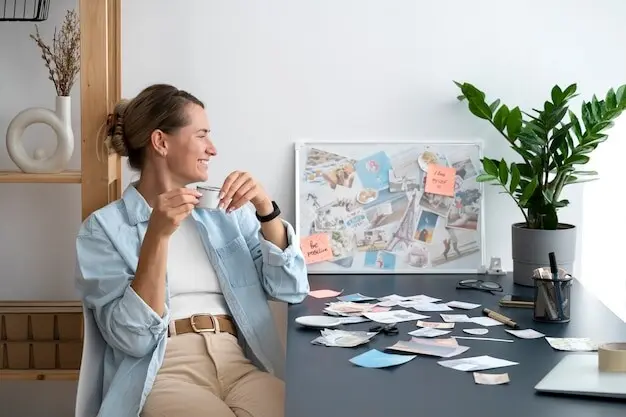
Your senses are unique, so small experiments beat rigid rules. Adjust one variable at a time, watch how you feel, then keep what works. Note when you concentrate best, what music helps, and which textures get fiddly. Write observations briefly, not perfectly. After a week, patterns surface: brighter mornings, quieter afternoons, warmer evenings. Build a stable base, then refine like a craftsperson. The goal is reliable clarity that fits your life, not someone else’s highlight reel.
A Windowless Corner Finds Brightness
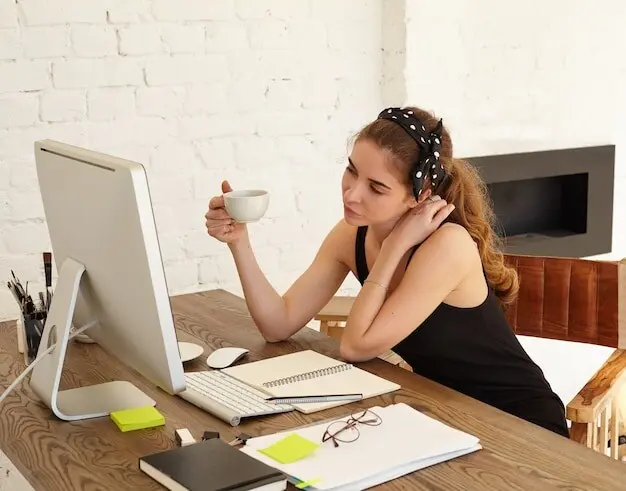
In a basement nook, a creator layered a bright, diffused ceiling panel with a warm desk lamp and a cool, narrow task spotlight. A matte poster behind the monitor acted as bias light, widening perceived depth. The desk pad dulled reflections from a glossy keyboard. Result: fewer eye rubs, longer reading stretches, and a surprising lift in mood. The key was not brute brightness, but calm contrast, intentional direction, and textures that invited unrushed, comfortable work.

Shared Home Finds Quiet Harmony
Two roommates traded noise peaks: morning calls moved to the kitchen with a soft rug, afternoon focus shifted to the bedroom with curtains drawn. They taped felt under drawer organizers, used a low pink-noise track, and agreed on a friendly hand signal before interruptions. Simple boundaries, not strict rules, cooled friction. Each gained a dependable ninety-minute block. They learned that collaboration around sound need not be dramatic; it thrives on small, repeatable gestures that respect different rhythms.